
Weekend retreat at the Buddhist Centre for Going for Refuge Mitras and Order Members
Sat 31 Oct & Sun 1 Nov
10am – 5pm
When is it helpful to think of practising the Dharma in terms of ‘me making an effort’? And when could we simply open more fully to our connection with the Buddhas, or trust in the mysterious workings of Dharma niyama processes in our lives? At a certain point, it becomes clear that – as Bhante says – ‘it becomes no less difficult to speak of the spiritual life in terms of self-effort than to speak in terms of reliance on divine grace, sometimes more difficult in fact.’
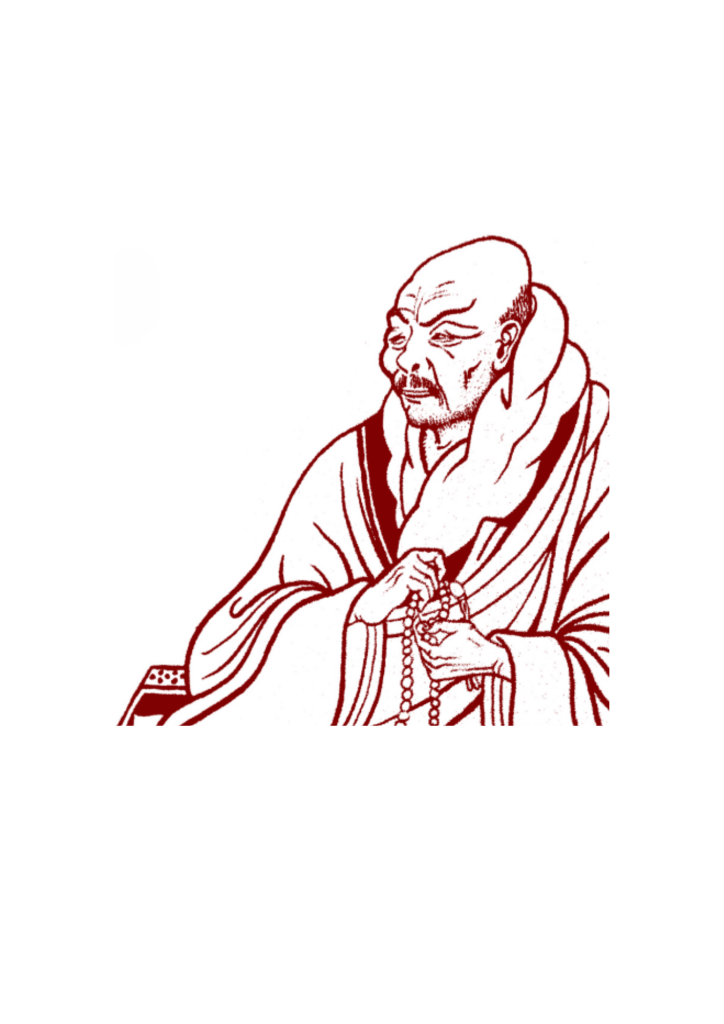
With his radical teaching of entrusting to Other Power, Shinran explored the path of faith to its fullest extent in twelfth century Japan. He overturns conventional tenets of Buddhism – and blows wide open our assumptions about how to live the Dharma life. Yet he is simply drawing out and taking to their furthest limits some essential teachings of the Buddha, and, later, Bhante.
‘In the last resort, emancipation depends upon the irruption into the universe of a factor that confronts our ego-consciousness as the Other Power.’ (Sangharakshita)
I first became interested in Buddhism as a teenager from a chance encounter with a book found in my school library. I was immediately struck by how Buddhism taught that I could change how I experience the world and that I could grow as a person. However, it wasn’t until many years later at the Sheffield Buddhist centre, that I began to commit myself fully to Buddhist practice as I saw that practicing Buddhist teachings was having a very positive impact on my life and on the lives of others.
I was delighted to join the Still Learning Team in November 2018. My previous work has been as a teacher and as an artist and I feel privileged to be able to bring those skills together with my passion for Buddhism in order to teach children and young people about Buddhism.
I first came into contact with Buddhism in my final year of university when I attended an introductory course at the Sheffield Buddhist Centre. I was instantly captivated by the revolutionary yet practical nature of the Dharma (teachings of the Buddha).
I began to meditate and apply Buddhism into my daily life and found that it actually worked! I had started to view the world differently and in a way that made me happier. I gained great confidence by this and became a committed Buddhist practitioner soon afterwards.
I enjoy sharing with others what I have learnt and how Buddhism has transformed me so I was delighted to join the Still Learning team in October 2013.
We have a range of exercises and activities, depending on ages and ability levels, exploring Buddhist ethics and their implications for how we might live as Buddhists.
How did the Buddha become the Buddha? Who was he before? What is enlightenment?
An understanding of the Buddha’s life story is an indispensable introduction to the religion. We draw out the key aspects using a beautiful painting that depicts the different events from the story.
We often theme our tours and visits around the Three Jewels of Buddhism, the Buddha, the Dhamra and the Sangha. Find out why the Three Jewels are common and central to all schools of Buddhism.